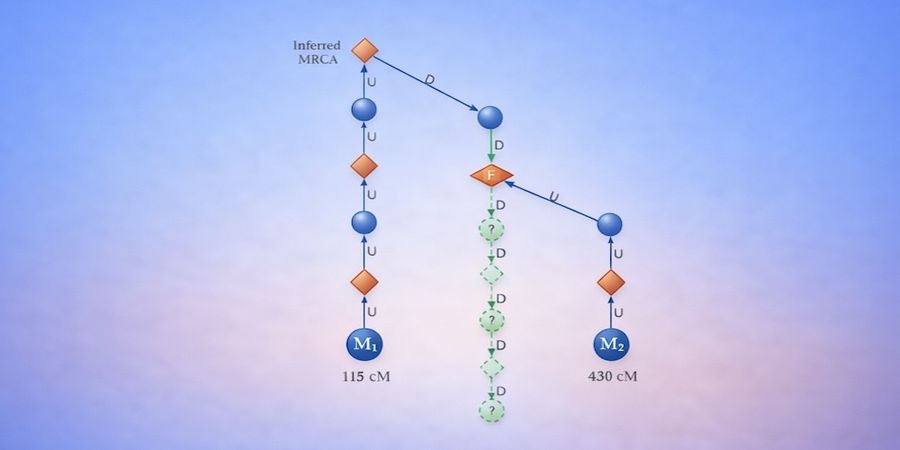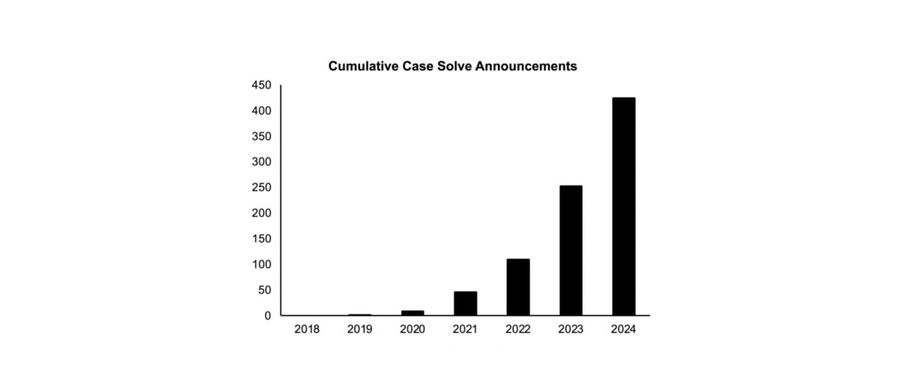
Advances in forensic genomics, which include massively parallel sequencing, dense single nucleotide polymorphism testing, and forensic genetic genealogy (FGG), have greatly expanded the range of cases in which DNA evidence can generate investigative leads. As a result, the primary limitations in modern forensic DNA analysis are no longer analytical sensitivity or marker availability, but the ability to reason consistently, transparently, and at scale over increasingly complex genetic, genealogical, and contextual information.
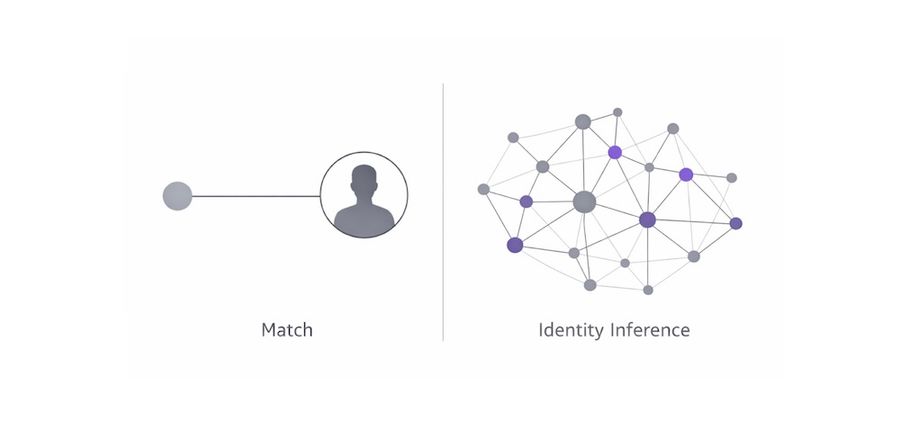
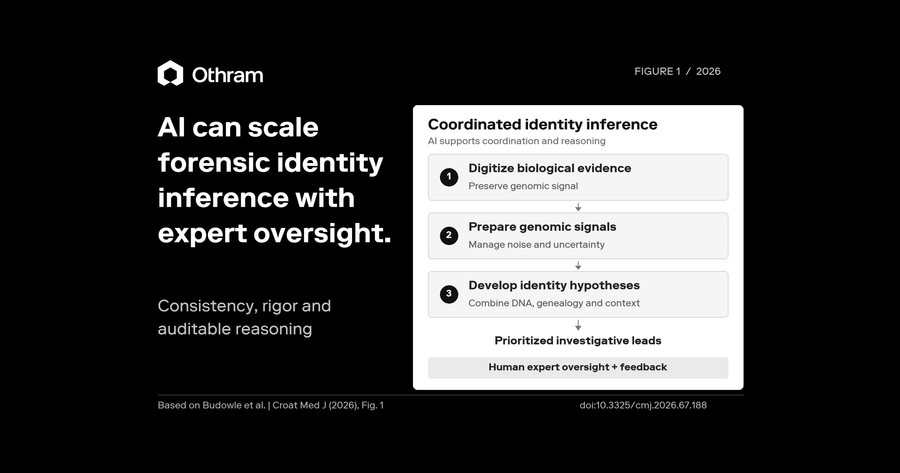
Current forensic workflows remain predominantly human-centered, relying on manual reasoning that is difficult to standardize, reproduce, document, or scale across growing case inventories. The potential of artificial intelligence (AI) is described as an enabling layer for forensic identity inference, defined here as computational decision-support systems that structure, prioritize, and document reasoning over genetic associations, genealogical structures, and investigative context during identity hypothesis development. While formal statistical inference quantifies evidentiary weight, identity inference governs how evidence is explored, combined, and acted upon during investigations.
AI-assisted systems can augment, but not replace, expert judgment by supporting scalable prioritization, relational reasoning, and systematic documentation of analytical decisions, while reducing bias. Properly designed AI-enabled systems offer a path to sustainably scaling FGG while supporting scientific rigor, accountability, and public trust.